Dr. Catherine Troisi:
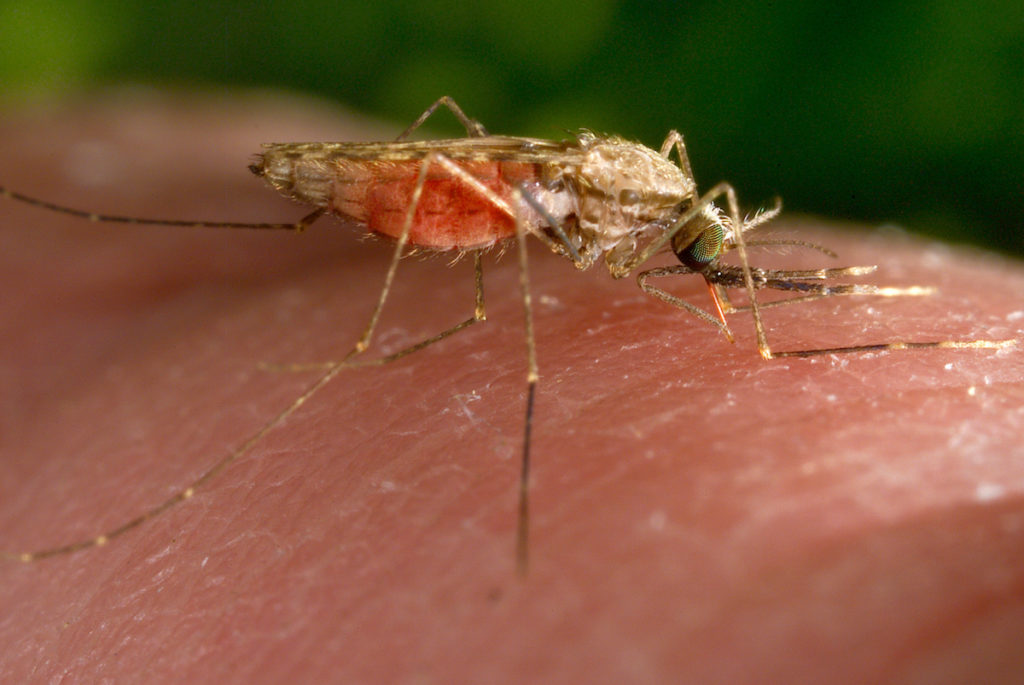
Well, you are correct that climate change affects the distribution of the mosquito that's responsible for spreading malaria.
Also, when temperatures are higher, those mosquitoes feed more often, so people are more likely to get bit, and the parasite itself replicates faster inside the mosquito. Also, climate warming contributes to increased storms, so there may be more standing water, where mosquitoes can breed.
However, again, in the United States, because we have — most people have screens on their windows, on their doors, we know to wear insect repellent, although this is a good reminder, we don't have a lot of the deficiencies in our prevention mechanisms that would lead to wide spread of malaria.
ncG1vNJzZmivp6x7sa7SZ6arn1%2Bjsri%2Fx6isq2ejnby4e8WiqaysXZiutLHSZqafZZ2WuaK%2ByJpkraqRo8CutdOtnJ1lmaN6tnnSZqCnZZSasKKwxKxkqaqfor21ecKopZydoqPA